The best daily wear bracelet combines durability, comfort, and personal meaning into one piece you never want to take off. Whether you gravitate toward chain bracelets, tennis bracelets, or a red string bracelet rooted in Kabbalah tradition, the right choice depends on fit, material, clasp type, and how well the piece reflects who you are. This guide covers every factor you need to choose a bracelet for daily wear with confidence, from wrist measurement to maintenance, so your bracelet lasts and looks great through every outfit and occasion.
How to choose a bracelet for daily wear: sizing and fit
The single most important factor for all-day comfort is fit. A bracelet that pinches restricts movement and leaves marks on your skin. A bracelet that slides too freely catches on sleeves and requires constant adjusting.
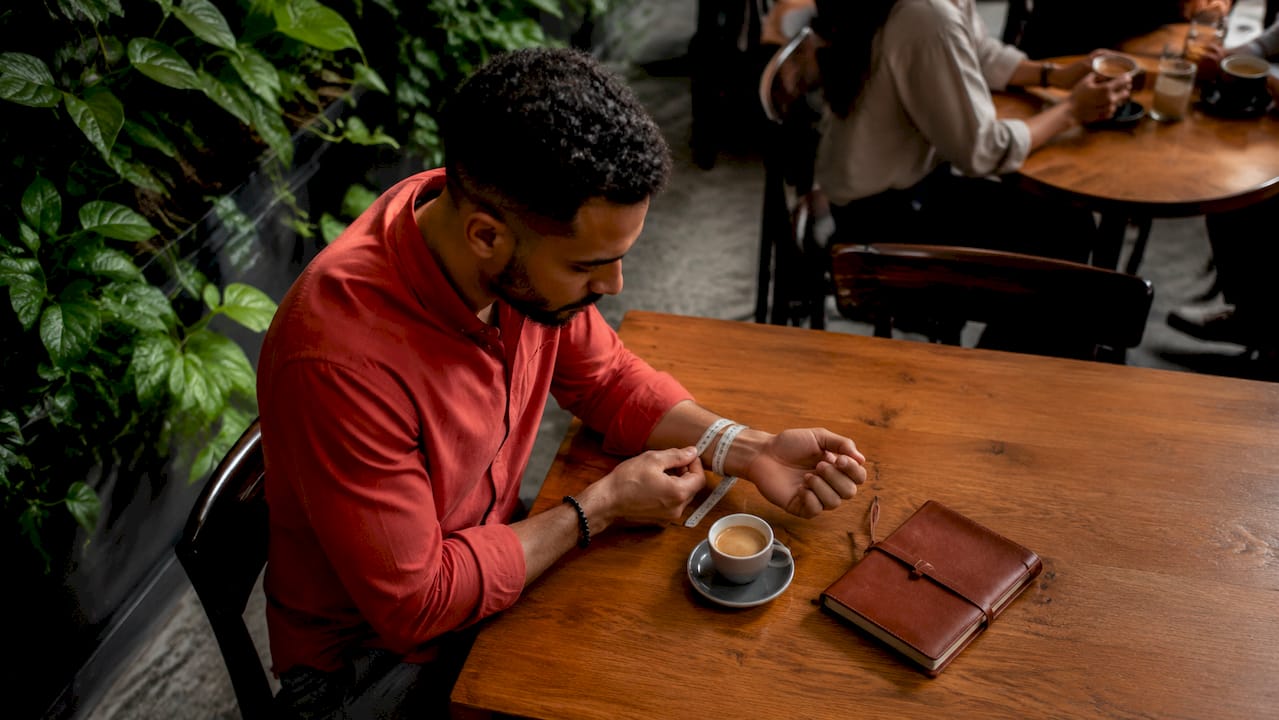
The standard method is to measure your wrist with a soft tape measure or a strip of paper, then add length based on your preferred fit style:
- Close fit: add 1 cm to your wrist measurement for a neat, elegant look
- Standard fit: add 1.5 cm for natural movement without excess slack
- Relaxed fit: add 2–2.5 cm if you prefer your bracelet to drape and move freely with your hand
That range of 1–2.5 cm covers most wrist types and activity levels. The right amount of extra length depends on whether you want a polished, close look or a casual, relaxed feel.
Adjustable bracelets with sliding clasps or extension chains solve the sizing problem entirely. Sliding clasps let you modify the fit depending on your outfit or how active your day is. Extension chains add 1–2 cm of flexibility without altering the bracelet’s design. Both options are ideal if your wrist size fluctuates or if you plan to share the piece as a gift.
Proffstips: Measure your wrist in the evening. Wrists tend to swell slightly throughout the day, so an evening measurement gives you the most accurate size for all-day comfort.
The best bracelet size is not just about numbers. It is about how the piece complements your lifestyle. A tennis bracelet worn to the office calls for a closer fit. A cord bracelet worn on weekends can sit looser.
What materials and durability factors matter most for daily-wear bracelets?
Material is the difference between a bracelet that looks great for a week and one that looks great for years. For daily wear, you need a metal or material that resists tarnish, handles moisture, and holds up to physical contact.
| Material | Tarnish Resistance | Water Resistance | Hållbarhet | Best For |
|---|---|---|---|---|
| 14K/18K Gold | Excellent | Excellent | High | Everyday luxury |
| Platinum | Excellent | Excellent | Very High | Long-term investment |
| Gold-Filled | Very Good | Good | Moderate | Affordable daily wear |
| Stainless Steel | Excellent | Excellent | Very High | Active lifestyles |
| Gold-Plated | Low | Low | Low | Occasional wear only |
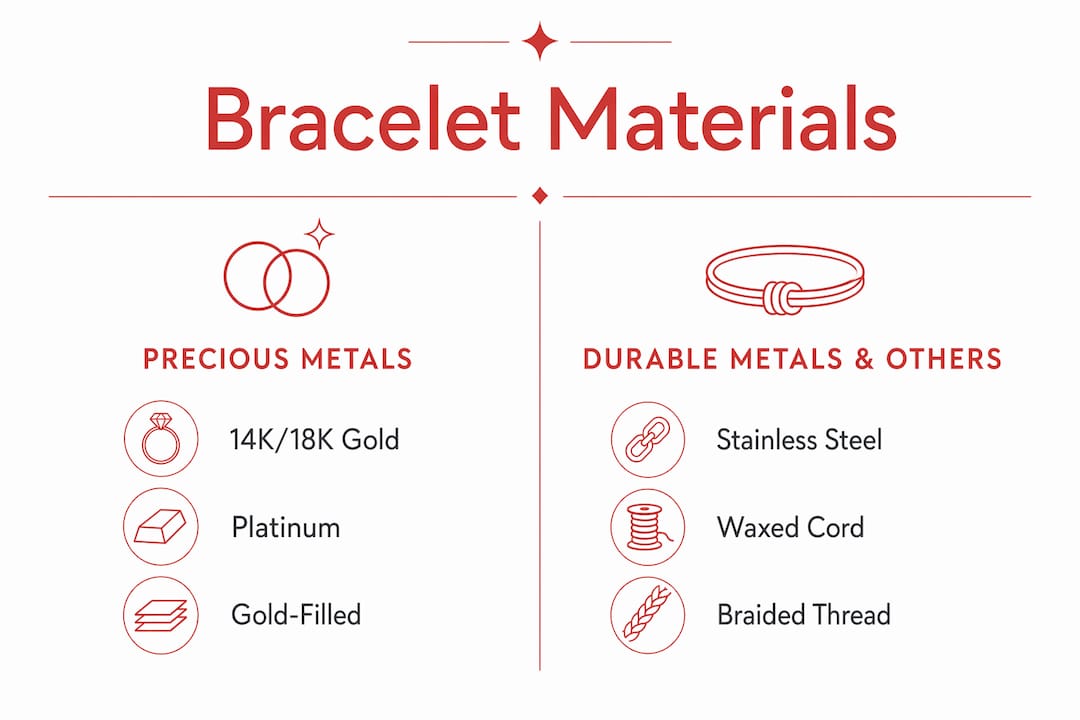
14K and 18K gold and platinum are the top choices for tarnish resistance and longevity in everyday jewelry. Gold-filled metals outperform gold-plated significantly. Gold-filled pieces have a thick bonded layer of gold, while gold-plated pieces have a thin coating that wears away quickly with daily contact. If budget is a concern, gold-filled is the practical middle ground.
Stainless steel deserves more credit than it gets in fine jewelry circles. Stainless steel clasps and settings resist tarnish, corrosion, and water exposure, making them ideal for people who never remove their jewelry. A stainless steel bracelet can go from the gym to the office without losing its finish.
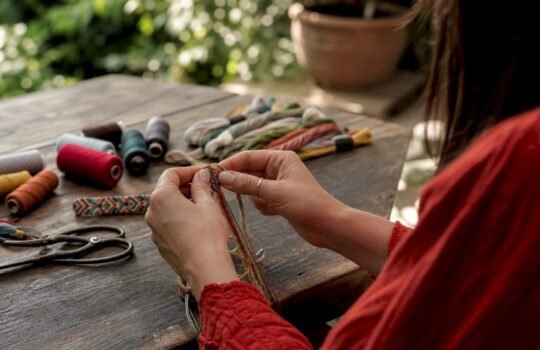
String, thread, and cord bracelets made from waxed cord or braided materials offer a different kind of durability. They flex with your wrist, resist breakage from impact, and feel weightless after a few hours. Jewelsbyares cord bracelets use premium waxed and braided materials that hold color and structure through daily wear.
Proffstips: Avoid gold-plated bracelets for daily use. The coating wears through at contact points within weeks, leaving a dull or discolored finish. Invest in gold-filled or solid gold if you want the look to last.
What bracelet styles and clasp types work best for everyday use?
Style and clasp type are equally important. A beautiful bracelet with a weak clasp is a liability. A secure clasp on an uncomfortable design defeats the purpose.
Popular daily wear bracelet styles
- Chain bracelets: Thin or medium link chains in gold or silver are the most versatile daily wear option. They pair with casual and work outfits equally well and layer cleanly with other pieces.
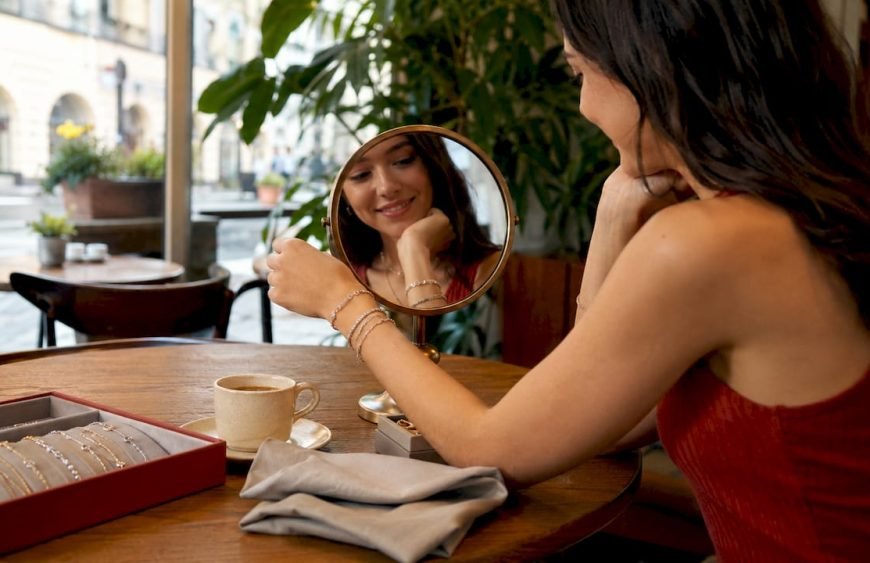
- Tennis bracelets: A row of stones set in a continuous line. Chain and tennis bracelets with lobster clasps are popular for their security and visual impact.
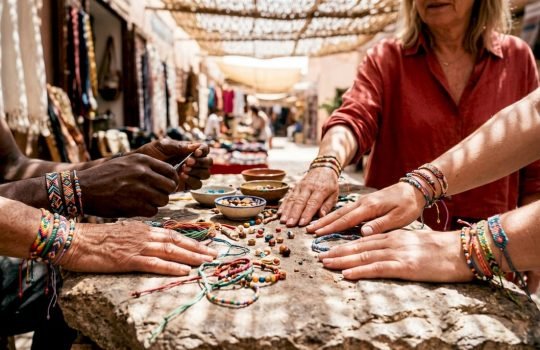
- Beaded bracelets: Natural stone or glass beads on elastic or cord. Comfortable, lightweight, and easy to put on without help.
- Cuff bracelets: Open-ended metal bands that slide onto the wrist. No clasp needed, but sizing must be accurate since they do not adjust.
- String and thread bracelets: Woven or knotted designs that sit close to the wrist. Jewelsbyares red string bracelets and cord bracelets fall into this category, offering both comfort and symbolic meaning.
Clasp types and why lobster clasps lead
The lobster clasp is the gold standard for daily wear. It uses a spring-loaded locking mechanism that snaps shut securely and opens with one finger. A 12 mm lobster clasp is the most versatile size, suited for medium to heavy bracelets. Smaller clasps work for delicate chains. Larger clasps suit heavier cord or beaded designs.
| Clasp Type | Security | Ease of Use | Best Bracelet Weight |
|---|---|---|---|
| Lobster Clasp | High | Easy | Light to Heavy |
| Toggle Clasp | Moderate | Easy | Light to Medium |
| Magnetic Clasp | Low | Very Easy | Light only |
| Box Clasp | Moderate | Moderate | Medium |
| Sliding Knot | Justerbar | Very Easy | Light (cord/string) |
Magnetic clasps are convenient but not secure enough for daily wear. They open under pressure, which means you risk losing the bracelet during an active day. Toggle clasps are decorative and secure for lighter pieces but can slip open on heavier bracelets. For a thin line bracelet or a delicate string design, a sliding knot or lobster clasp keeps the piece in place without adding bulk.
Clasp size should match bracelet weight. A heavy cord bracelet with a tiny lobster clasp will put too much stress on the mechanism and eventually fail. Match the clasp scale to the bracelet’s overall weight and width.
How to care for your daily wear bracelet
Proper care extends the life of any bracelet, regardless of material. A consistent routine takes less than five minutes and prevents most common damage.
- Clean weekly with a soft cloth. Wipe down metal bracelets after wearing to remove oils, sweat, and product residue. This prevents buildup that dulls the finish over time.
- Remove before swimming or bathing. Chlorine and salt water accelerate tarnish on gold-plated and gold-filled pieces. Even regular cleaning and careful storage cannot fully reverse chlorine damage once it sets in.
- Avoid direct contact with perfume and lotion. Apply these products first, let them dry, then put your bracelet on. Chemicals in fragrance and lotion break down metal coatings and weaken cord fibers.
- Store each bracelet separately. Metal clasps scratch softer metals and stone surfaces. Use individual pouches or a compartmentalized jewelry box to prevent tangling and surface damage.
- Seek professional cleaning once or twice a year. A jeweler can polish, re-plate, or re-string pieces that daily cleaning cannot restore. This is especially worth doing for diamond string bracelets or pieces with stone settings.
String and cord bracelets need slightly different care. Keep them dry when possible and avoid soaking them. If a woven bracelet gets wet, let it air dry flat so the fibers hold their shape. Replace elastic cord bracelets when the band starts to stretch out, since worn elastic breaks without warning.
Key takeaways
The right daily wear bracelet balances fit, material quality, clasp security, and personal meaning to create a piece you reach for every morning without thinking.
| Punkt | Detaljer |
|---|---|
| Measure and add length | Add 1–2.5 cm to your wrist size based on your preferred fit style. |
| Prioritize durable materials | Choose 14K/18K gold, platinum, gold-filled, or stainless steel for lasting daily wear. |
| Use a lobster clasp | A 12 mm lobster clasp provides the best security for medium to heavy bracelets. |
| Match style to lifestyle | Chain and tennis bracelets suit work; cord and string styles suit casual daily wear. |
| Clean and store properly | Wipe down weekly, store separately, and avoid chemicals to extend bracelet life. |
Why the bracelet you wear every day says more than you think
I have spent years watching people treat their daily bracelet as an afterthought. They pick something pretty, put it on, and forget about it until it breaks or tarnishes. That approach misses the point entirely.
The bracelet you wear every day becomes part of how people recognize you. It shows up in photos, in meetings, and in quiet moments when you glance at your wrist. That kind of visibility deserves a deliberate choice. A red string bracelet rooted in Kabbalah or Buddhist tradition carries a meaning that a plain chain simply does not. A red thread with gold bracelet is not just an accessory. It is a statement about what you value.
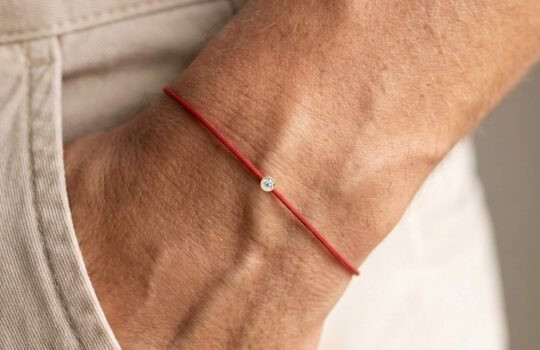
My honest advice: do not separate comfort from meaning. The bracelets people wear longest are the ones that feel right on the wrist and carry a story worth telling. A diamond string bracelet from Jewelsbyares sits light enough to forget it is there, but the craftsmanship makes it impossible to ignore when someone notices it.
Trend awareness matters less than most style guides admit. Trends cycle. A well-made piece in a classic style outlasts every seasonal wave. Buy for meaning and quality first. Style will follow.
— Danielius
Jewelsbyares bracelets built for daily wear
Jewelsbyares designs every bracelet with daily wear in mind. The collections span diamond string bracelets in 14K gold-filled settings, red string and red thread bracelets rooted in cultural tradition, and premium cord bracelets in waxed and braided materials. Every piece uses a secure lobster clasp or adjustable sliding knot, so fit and security are never compromised.

The diamond string bracelet collection includes adjustable options suited for wrists of all sizes, with finishes that hold up to daily contact. Each piece ships in gift-ready packaging, making it as easy to buy for yourself as it is to give. If you want a bracelet that carries both quality and meaning, Jewelsbyares is the place to start.
VANLIGA FRÅGOR
How do I measure my wrist for a bracelet?
Wrap a soft tape measure or strip of paper around your wrist just below the wrist bone, then add 1–2.5 cm depending on your preferred fit. A standard fit uses 1.5 cm of extra length.
What is the most durable bracelet material for everyday use?
Platinum and stainless steel offer the highest durability and tarnish resistance for daily wear. Gold-filled is the best affordable alternative, outperforming gold-plated in longevity.
Are lobster clasps secure enough for daily wear?
Yes. Lobster clasps use a spring-loaded mechanism that locks shut and resists accidental opening. A 12 mm lobster clasp handles medium to heavy bracelets reliably.
Can I wear a string or cord bracelet every day?
String and cord bracelets are built for daily wear. Keep them dry when possible, avoid soaking, and air dry flat if they get wet to preserve the fiber structure.
How often should I clean my daily wear bracelet?
Wipe down metal bracelets weekly with a soft cloth and seek professional cleaning once or twice a year. Avoid chemicals, perfume, and chlorine to prevent finish damage between cleanings.