

TL;DR:
- Diamond bracelet settings determine how stones look, are protected, and hold up over time. Prong settings maximize brilliance but need regular inspections, while bezel and channel settings offer more protection for active wearers. Choosing the right setting depends on lifestyle, durability needs, and personal style preferences.
A diamond bracelet setting is the metal structure that holds each stone in place, directly shaping how the diamond looks, how much light it catches, and how well it survives daily wear. Jewelry industry guidelines in 2026 identify prong, bezel, and channel as the three most common diamond bracelet settings, each with distinct functions and visual results. Understanding these options before you buy is the difference between a bracelet that suits your life and one that sits in a drawer. This guide covers diamond bracelet setting types explained in plain terms, so you can choose with confidence.
What are the main diamond bracelet setting types explained?
A diamond bracelet setting is not just a technical detail. It determines the bracelet’s personality. The three primary setting categories are prong, bezel, and channel, and each one solves a different problem. Prong settings prioritize brilliance. Bezel settings prioritize protection. Channel settings prioritize a smooth, wearable surface. Knowing which problem matters most to you is the fastest way to narrow your choice.
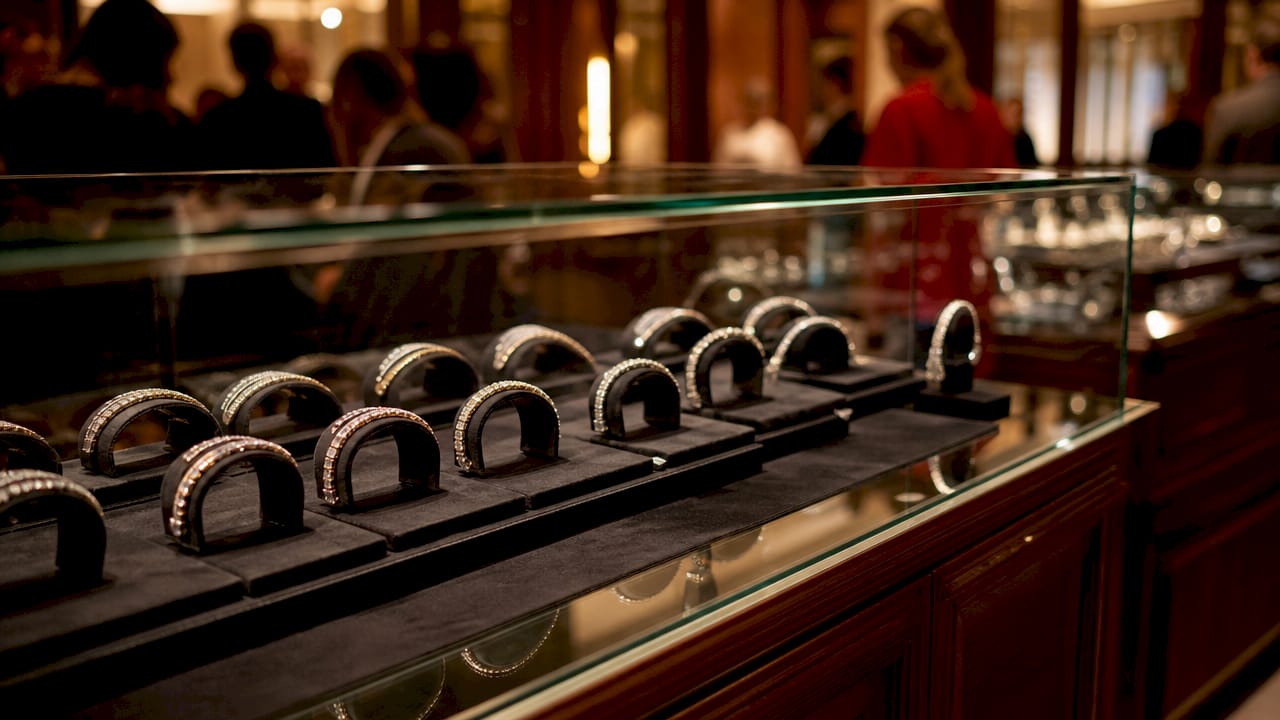
The setting also affects long-term care. A bracelet you wear every day to the gym needs a different structure than one you wear to dinner twice a year. Setting choice influences both aesthetics and durability under daily activities, which means the right setting is as much a lifestyle decision as a style one. You can read more about Diamant-String-Armbänder to see how setting choices play out across real designs.
How does a prong setting work in diamond bracelets?
The prong setting is the most recognizable structure in fine jewelry. Metal claws, typically two, three, or four per stone, grip the diamond at its edges and hold it elevated above the bracelet band. That elevation is the key feature. It lets light enter the stone from multiple angles, which maximizes the diamond’s natural brilliance and fire.
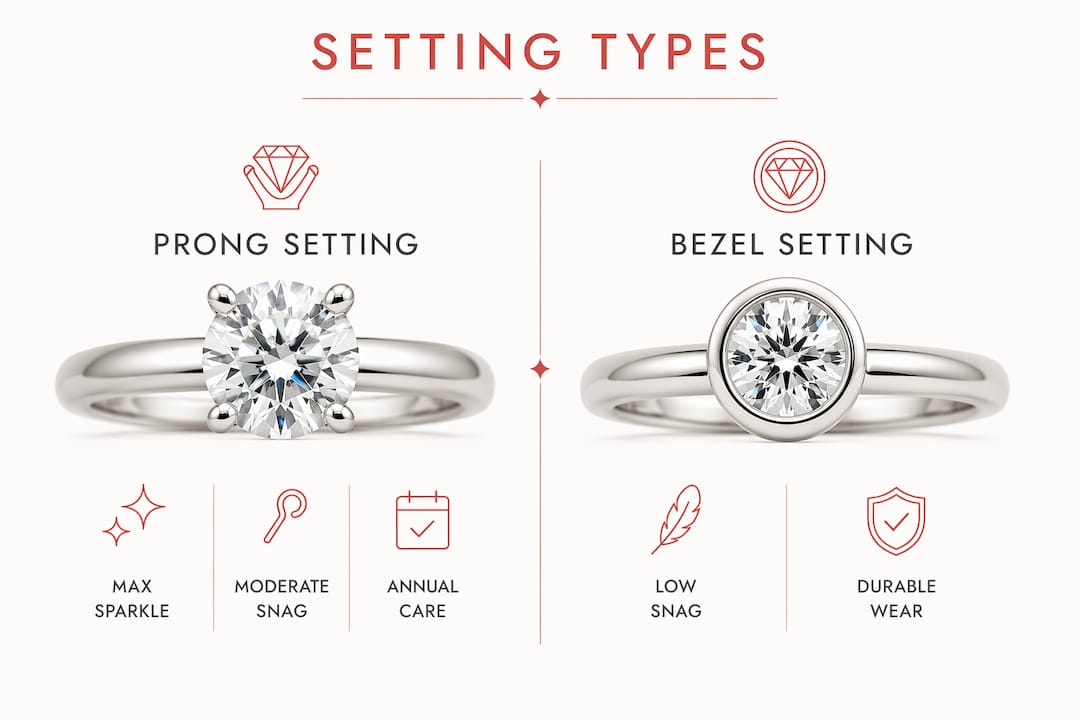
Prong settings maximize brilliance by elevating stones for more light exposure, but they carry a higher snag potential than other setting types. The exposed metal tips can catch on fabric, hair, or textured surfaces. That is not a dealbreaker, but it does mean prong-set bracelets reward careful handling.
Key advantages of prong settings:
- Maximum light entry produces the most visible sparkle
- Individual stones appear larger because more of the diamond is exposed
- Four-prong versions offer a clean, classic look; six-prong versions add extra grip
- Works beautifully for occasional wear and special occasions
Key considerations:
- Prongs can bend or wear down over time
- Annual professional inspection is recommended for prongs due to wear or bending
- Not ideal for high-contact daily activities
Profi-Tipp: Ask your jeweler to check prong tips every 12 months. A bent prong is easy to fix when caught early and very costly to ignore.
Why do bezel settings suit active lifestyles?
The bezel setting wraps a continuous metal rim around the entire circumference of each diamond. No prongs, no exposed edges. The stone sits flush within the metal, fully enclosed on all sides. Bezel settings enclose the diamond fully with a metal rim, offering the highest protection and minimal snag risk of any setting type.
That protection comes with one trade-off. The metal rim covers the stone’s girdle, which reduces how much light enters from the sides. The diamond still sparkles, but the effect is more subdued compared to a prong setting. For many wearers, that subtlety is exactly the point. Bezel settings produce a modern, minimalist look and offer very low maintenance, since there are no exposed prongs to snag or bend.
Why bezel settings work for everyday wear:
- No protruding metal means zero snagging on clothing or skin
- Fully enclosed stones resist chipping and impact damage
- Ideal for softer gemstones that need extra protection
- Clean, contemporary aesthetic suits both casual and formal looks
Who benefits most from bezel settings:
- Active wearers who exercise, cook, or work with their hands
- Anyone who wants a low-maintenance bracelet they can forget about
- People who prefer a sleek, modern silhouette over maximum sparkle
Profi-Tipp: If you want a bezel-set bracelet to show more brilliance, look for a half-bezel design. It leaves the stone’s sides partially open while still protecting the most vulnerable points.
What makes channel settings a strong choice for daily wear?
Channel settings arrange diamonds side by side between two parallel metal walls. The stones sit in a continuous row, flush with the surface, with no metal separating individual diamonds. The result is a smooth, uninterrupted line of sparkle that feels polished and refined. Channel settings arrange diamonds side-by-side between two metal walls, yielding a snag-resistant surface that holds up well under regular use.
This setting is the standard structure for tennis bracelets, where a single row of matched diamonds runs the full length of the band. The channel design keeps each stone secure without any protruding metal, which makes it one of the most comfortable settings to wear all day.
The one area where channel settings require attention is repair. If a stone loosens or falls out, a jeweler must open the channel walls to replace it. That process is more involved than tightening a single prong. Channel settings require low maintenance but complex repairs if damaged, so prevention matters more than it does with other setting types.
| Feature | Channel setting | Prong setting | Bezel setting |
|---|---|---|---|
| Snag risk | Very low | Moderate to high | Very low |
| Light entry | Moderate | Hoch | Low to moderate |
| Maintenance | Niedrig | Moderate | Very low |
| Repair complexity | Hoch | Niedrig | Moderate |
| Best use | Daily wear, tennis bracelets | Occasional wear, statement pieces | Active lifestyles, everyday wear |
What other setting types appear in diamond bracelets?
Beyond the three primary options, two additional settings appear in specialty and statement designs: pavé and tension.
Pavé settings cover the bracelet surface with many small diamonds set very close together, held by tiny beads of metal rather than full prongs or walls. Pavé settings use many small stones set close together to create continuous sparkle across the entire band surface. The effect is dramatic. The bracelet appears to be encrusted with light. The trade-off is maintenance. Pavé requires careful cleaning to keep the small beads intact, and the tiny stones can loosen over time with heavy wear.
Tension settings take a completely different approach. The diamond is held in place solely by the spring tension of the metal band, with no prongs, bezel, or channel walls. Tension settings grip the diamond solely by spring tension, producing a floating effect that requires precise craftsmanship to execute safely. This setting appears most often in statement pieces where the visual drama of a suspended stone is the entire point.
- Pavé works best as an accent or for bracelets designed for occasional wear
- Tension settings are engineering-intensive and should only be purchased from skilled artisans
- Both settings add visual interest but require more specialized care than prong, bezel, or channel designs
- Neither is the right first choice for a bracelet intended for daily, active use
How to choose the right diamond bracelet setting
Choosing a setting is a practical decision before it is an aesthetic one. Start with your lifestyle, then let style follow.
Assess your activity level. If you wear your bracelet during workouts, outdoor activities, or hands-on work, bezel or channel settings are the right starting point. Active wearers benefit from bezel or channel settings to reduce snag risk and protect stones from impact.
Consider how often you will wear it. Prong settings are ideal for bracelets worn occasionally. The elevated stones catch maximum light at dinner or an event, and the bracelet spends most of its time safely stored.
Think about stone hardness. Diamonds are the hardest natural material, so any setting works structurally. But if your bracelet includes accent stones like sapphires or emeralds, a bezel or channel setting provides extra protection against chipping.
Factor in maintenance willingness. Prong settings need annual professional checks. Channel and bezel settings need far less attention. Regular inspection of setting and fastening mechanisms is advised for all bracelet types, but the frequency varies by setting.
Check the clasp and metal structure. A diamond bracelet’s security depends not only on the setting but also on the metal links and clasp integrity. A strong lobster-claw or box clasp matters as much as the setting itself.
Match the setting to your aesthetic. Prong settings read as classic and glamorous. Bezel settings read as modern and minimal. Channel settings read as refined and versatile. Pavé reads as bold and statement-driven. Pick the one that reflects how you want the bracelet to feel on your wrist.
You can also review guidance on choosing a bracelet for daily wear to see how these setting principles apply to real purchasing decisions.
Die wichtigsten Erkenntnisse
The right diamond bracelet setting balances brilliance, protection, and maintenance to match both your lifestyle and your aesthetic goals.
| Punkt | Details |
|---|---|
| Prong settings maximize sparkle | Elevated stones catch the most light but need annual professional inspection. |
| Bezel settings offer the best protection | Full metal enclosure suits active wearers and requires minimal upkeep. |
| Channel settings combine comfort and durability | Snag-free surface makes them ideal for daily wear and tennis bracelet designs. |
| Lifestyle drives the right choice | Active wearers should prioritize bezel or channel; occasional wearers can choose prong. |
| Clasp and metal matter too | Setting alone does not determine security; inspect links and clasps regularly. |
What I have learned from years of watching people wear diamond bracelets
Most buyers focus entirely on how a bracelet looks in the store. That is the wrong starting point. A prong-set bracelet under bright showroom lighting is one of the most beautiful objects you will ever see. The same bracelet after six months of daily wear, with a bent prong and a stone sitting slightly crooked, is a different story.
The setting type I recommend most often for people who want to wear their bracelet every day is the bezel or channel. Not because they are more beautiful in isolation, but because they are still beautiful six months, two years, and five years later. The bezel’s clean metal rim does not degrade the way prong tips do. The channel’s smooth surface does not catch on anything.
The detail most buyers overlook entirely is the clasp. I have seen beautifully crafted bracelets lost because the clasp was an afterthought. A box clasp with a safety latch or a lobster-claw closure adds real security that no setting can compensate for on its own. Ask about the clasp before you ask about the setting.
My honest recommendation: choose the setting that matches your actual life, not the life you imagine wearing the bracelet in. Then get it checked by a professional once a year regardless of setting type. A bracelet that lasts decades is worth far more than one that dazzles for a season.
— Danielius
Jewelsbyares diamond string bracelets for every setting preference
Jewelsbyares builds Diamant-String-Armbänder that translate these setting principles into wearable, handcrafted designs. Each piece uses ethically sourced diamonds set with care for both visual impact and long-term durability. Whether you are drawn to the brilliance of an elevated stone or the clean security of a fully enclosed design, the Jewelsbyares collection covers the full range of diamond bracelet styles explained in this guide. The bracelets are designed for real daily wear, not just display, and ship worldwide in gift-ready packaging. Find the setting that fits your wrist and your life at Jewelsbyares.
FAQ
What is a diamond bracelet setting?
A diamond bracelet setting is the metal structure that holds each diamond in place on the bracelet band, determining how secure, visible, and brilliant the stone appears.
Which setting type is best for everyday wear?
Bezel and channel settings are best for everyday wear because they offer the lowest snag risk and require the least maintenance under regular daily activity.
How often should I have my diamond bracelet inspected?
Annual professional inspection is recommended for all diamond bracelets, with prong settings requiring the most attention due to the risk of prong bending or wear.
What is the difference between pavé and channel settings?
Channel settings hold diamonds between two metal walls in a smooth row, while pavé settings use tiny metal beads to set many small stones close together across a surface for a fully encrusted look.
Does the clasp type affect bracelet security?
Yes. Bracelet security depends on both the setting and the clasp integrity, so a strong lobster-claw or box clasp with a safety latch is as important as the stone setting itself.