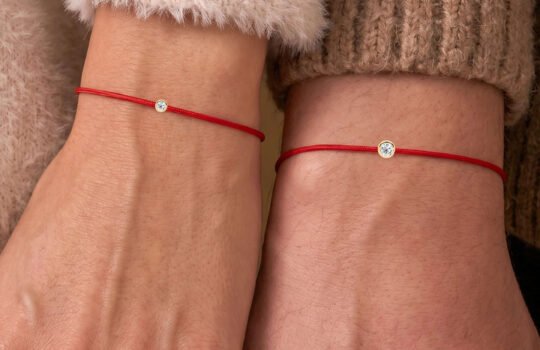
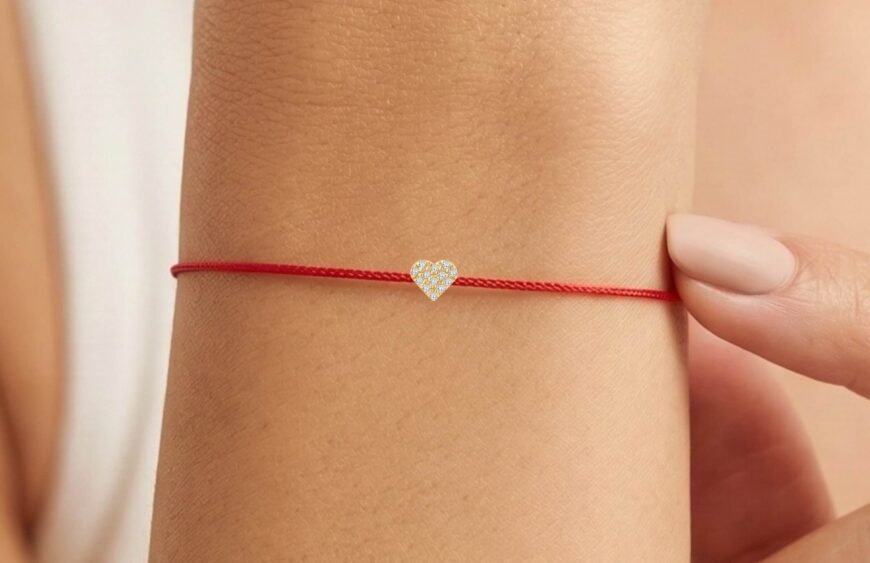
The friendship bracelet’s origin traces back to indigenous weaving and knotting traditions in Central and South America, most closely linked to Mayan textile crafts. The version most people recognize today — knotted embroidery floss in chevron or diamond patterns — entered U.S. youth culture in the 1970s, and became a nationwide phenomenon by the 1980s. Decorative knot-tying techniques also developed independently in other parts of the world, including China as early as 481–221 BC, but the friendship bracelet specifically is widely credited to Central American origins. Today, the tradition spans everything from handmade embroidery floss bands to more refined beaded and gemstone-accented string bracelets.
The Short Answer
There’s no single, perfectly documented moment when the friendship bracelet was “invented.” As National Geographic has reported, no one knows exactly where the tradition started, though it likely has roots in woven bracelets from Central America. What’s better documented is how the tradition reached the United States and became the accessory people recognize today — and that story runs through indigenous craftsmanship, 1960s counterculture, and 1980s youth culture before landing in its modern, mainstream form.
The Indigenous Roots of the Friendship Bracelet
Central and South American Weaving Traditions
Most historical accounts trace the friendship bracelet’s true origin to indigenous communities in Central and South America, where woven and knotted bands were made using natural fibers as gestures of connection, respect, and protection between people. According to Wikipedia, it is generally accepted that the origins of these colorful bands lie with indigenous peoples of Central and South America, though the practice of decorative knot-tying more broadly also has independent roots elsewhere, including in China as far back as 481–221 BC.
A Political and Cultural Symbol Before It Was a Trend
The friendship bracelet’s path into mainstream American culture wasn’t purely decorative — it had political roots too. Per Wikipedia, the modern popularity of friendship bracelets began in the 1980s, when they appeared during protests over the disappearances of Mayan people and peasants in Guatemala, and were subsequently brought into the United States by religious groups for use at political rallies. That history is often lost in the bracelet’s modern, purely decorative reputation, but it’s an important part of understanding where the tradition really comes from.
How Friendship Bracelets Reached the United States
The 1960s Counterculture Movement
Natural-fiber woven bracelets started appearing on the wrists of young Americans in the 1960s, embraced by the era’s counterculture movement, which valued natural materials, earthy tones, and simpler, handmade goods over mass-produced fashion.
The 1970s–80s Boom
By the 1970s and into the 1980s, these woven bands had evolved into what’s now recognized as the classic friendship bracelet — usually made from embroidery floss and knotted into patterns like chevron, diamond, or candy stripe using basic macramé techniques. The tradition spread rapidly through summer camps, scouting programs, and schoolyards, cementing the “give it to a friend, wear it until it falls off” ritual that still defines the bracelet today. We touch on how this era shaped today’s designs in lo que debe saber sobre las pulseras de hilo de diamantes.
The Modern Friendship Bracelet Resurgence
Friendship bracelets have never really gone away, but they’ve seen a major resurgence in popularity in recent years — most visibly through Taylor Swift’s Eras Tour, where fans began making and trading beaded bracelets in concert lines, referencing a lyric from her song “You’re On Your Own, Kid.” This moment reintroduced the tradition to a new generation and helped popularize beaded, more personalized takes on the classic woven design — a shift we cover further in diamond string bracelets as a timeless trend.
From Camp Craft to Everyday Jewelry
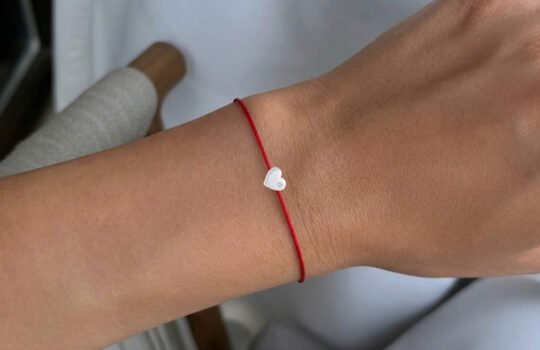
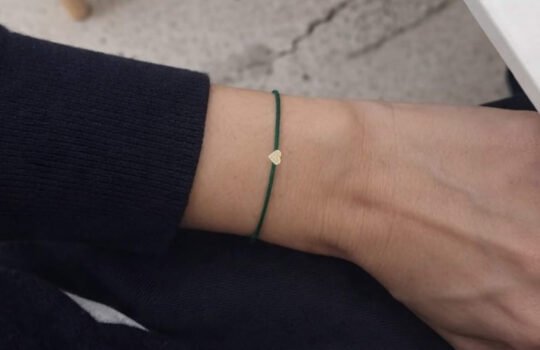
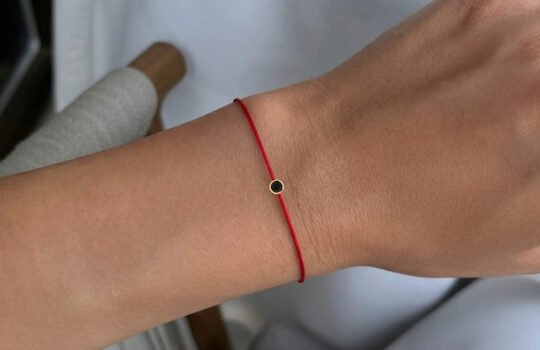
As the friendship bracelet has evolved, so has its material. What started as hand-knotted floss has expanded to include beads, leather, waxed cord, and metal-accented designs — like our diamante negro y blue sapphire string bracelets — that keep the symbolism of the original tradition while fitting more naturally into adult, everyday style.
Symbolic Charms Rooted in the Same Tradition
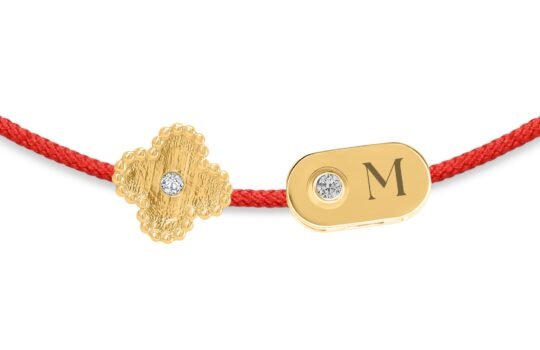
Alongside colors and patterns, many friendship bracelets carry a specific symbol that reinforces their meaning — echoing the way the earliest bracelets were tied to specific wishes or intentions. Our pulseras de hilo trébol diamante nod to luck and good fortune, while our pulseras de hilo cruz diamante reflect the protective, faith-based meaning that has followed knotted bracelets for centuries. You can browse the full range in our bracelet collection or see current bestsellers.
PREGUNTAS FRECUENTES
Where do friendship bracelets originally come from?
Most historians trace the friendship bracelet’s origin to indigenous communities in Central and South America, particularly Mayan weaving traditions, though similar decorative knot-tying developed independently in other cultures, including ancient China.
When did friendship bracelets become popular in the U.S.?
Woven, natural-fiber bracelets began appearing in the U.S. in the 1960s alongside the counterculture movement, but the classic embroidery-floss friendship bracelet became a widespread youth trend in the 1970s and 1980s.
Did friendship bracelets have a political meaning?
Yes. In the 1980s, friendship bracelets were worn during protests related to the disappearances of Mayan people and peasants in Guatemala, and were later brought into the U.S. by religious groups for use at political rallies — a history that predates their modern, purely decorative reputation.
Why did friendship bracelets become popular again recently?
The tradition saw a major resurgence starting in 2023, largely due to fans trading handmade beaded bracelets at Taylor Swift’s Eras Tour, referencing a lyric from her song “You’re On Your Own, Kid.”
Is the “wear it until it falls off” tradition part of the original history?
Yes. The idea that a friendship bracelet should be worn continuously and never deliberately removed — with a wish coming true once it naturally wears off — is a long-standing part of the tradition, tied to its origins as a symbol of an ongoing, unbroken bond.
Final Thought
The friendship bracelet’s origin is older, richer, and more culturally significant than its reputation as a simple camp craft might suggest. From indigenous Central American weaving traditions, through 1960s counterculture and 1980s youth trends, to its current resurgence in beaded and gemstone-accented forms, the friendship bracelet has always carried the same core purpose: giving a friendship something tangible to hold onto. Explore that evolution for yourself in our full bracelet collection.
Want to see how the tradition has evolved? Explore our diamante negro, blue sapphire, clover, y cross string bracelets, or read more jewelry history on our blog.