The history of friendship bracelets spans centuries and continents. Decorative knot-tying dates back to ancient China (481–221 BC) and 13th-century Arabic macramé, but the friendship bracelet specifically is rooted in indigenous weaving traditions from Central and South America. The bracelet reached the United States through 1960s counterculture, gained political significance in 1980s Guatemala-related protests, exploded as a youth trend through the 1980s and 90s, evolved through the 1990s EDM “kandi” scene, and has recently seen a massive resurgence thanks to Taylor Swift’s Eras Tour. Today, the tradition spans everything from hand-knotted floss to refined, gemstone-accented string bracelets.
Timeline: The History of Friendship Bracelets at a Glance
- 481–221 BC — Earliest known decorative knot-tying traditions in China
- 13th century AD — Macramé knotting techniques develop in Arabic textiles, later reaching Spain through the Moors
- Pre-colonial era — Indigenous communities in Central and South America develop woven and knotted bracelet traditions, most closely tied to Mayan weaving
- 1960s — Natural-fiber woven bracelets appear in the U.S. amid the counterculture movement
- 1980s — Friendship bracelets appear during protests over the disappearances of Mayan people in Guatemala, later reaching U.S. political rallies through religious groups
- 1970s–1980s — The classic embroidery-floss friendship bracelet becomes a defining youth trend in the U.S. and Europe
- 1990s — The rise of “kandi” beaded bracelets within rave and EDM culture
- 2000s–2010s — Friendship bracelets remain a steady presence in camps, schools, and DIY culture
- 2023–present — A major resurgence driven by Taylor Swift’s Eras Tour bracelet-trading tradition
Ancient Roots of Knot-Tying and Weaving
Early Decorative Knots in China
Some of the oldest surviving examples of decorative knot-tying come from China, dating as far back as 481 to 221 BC. These early knots were used for clothing decoration, buttons, and household objects — not specifically as friendship tokens, but as part of the broader craft tradition that would later influence knotted jewelry around the world.
Macramé’s Arabic Origins
The specific knotting technique most associated with modern friendship bracelets — macramé — is generally traced to 13th-century Arabic textiles. The Moors brought macramé to Spain in the 1400s, where it continued to spread and evolve across Europe over the following centuries.
The True Origin — Central and South American Weaving Traditions
While decorative knotting existed independently in multiple cultures, the friendship bracelet as we know it is most closely linked to indigenous weaving traditions in Central and South America, particularly those rooted in Mayan craftsmanship. These woven, natural-fiber bands were exchanged as gestures of respect, protection, and connection long before they became a global fashion trend. For a deeper look at this specific lineage, see our companion piece on friendship bracelet origin.
How the Tradition Reached the United States
The 1960s Counterculture Movement
Woven, natural-fiber bracelets began appearing on the wrists of young Americans in the 1960s, embraced by the era’s counterculture movement. Natural materials, earthy tones, and handmade goods were valued as an alternative to mass-produced fashion, and these bracelets fit that aesthetic perfectly.
A Political Symbol in the 1980s
Before friendship bracelets became a mainstream accessory, they carried real political weight. In the 1980s, they were worn during protests over the disappearances of Mayan people and peasants in Guatemala, and were subsequently brought into the United States by religious groups for use at political rallies. This chapter of the bracelet’s history is often overlooked in favor of its later reputation as a purely decorative, lighthearted accessory.
The Friendship Bracelet Boom of the 1970s and 80s
By the 1970s and into the 1980s, the friendship bracelet had taken the form most people recognize today: multiple strands of embroidery floss, knotted using basic macramé stitches into patterns like chevron, diamond, and candy stripe. The tradition spread rapidly through summer camps, scouting programs, and schoolyards across the U.S. and Europe, cementing rituals that still define the bracelet today — including tying it onto a friend’s wrist and wearing it continuously until it naturally wears off.
The 1990s “Kandi” Era
In the early 1990s, the friendship bracelet tradition found a new home in electronic dance music (EDM) and rave culture, where colorful plastic pony beads were strung into “kandi” bracelets and traded between friends and strangers alike at shows and festivals. This beaded, more casual take on the friendship bracelet introduced a new material and aesthetic to the tradition, expanding it well beyond embroidery floss.
The Modern Era — From Camp Craft to Cultural Phenomenon
A Steady Presence Through the 2000s and 2010s
Even without a major cultural spotlight, friendship bracelets remained a consistent part of childhood and teen culture through the 2000s and 2010s — a simple, low-cost way to mark a friendship that never fully went out of style.
The Taylor Swift Resurgence
Friendship bracelets saw a massive comeback starting in 2023, driven largely by Taylor Swift’s Eras Tour, where fans began making and trading beaded bracelets with each other in concert lines — a reference to a lyric in her song “You’re On Your Own, Kid.” This moment reintroduced the tradition to a new generation and reignited interest in both DIY and more refined, jewelry-store versions of the bracelet, something we explore further in diamond string bracelets as a timeless trend.
From Embroidery Floss to Fine Jewelry
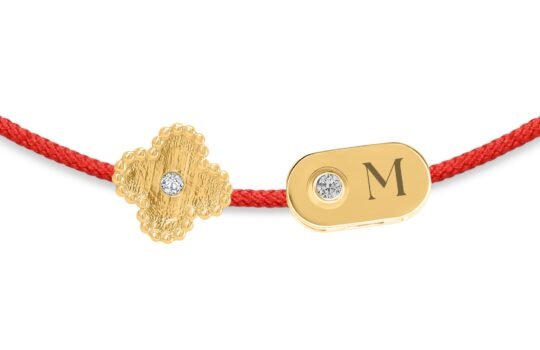
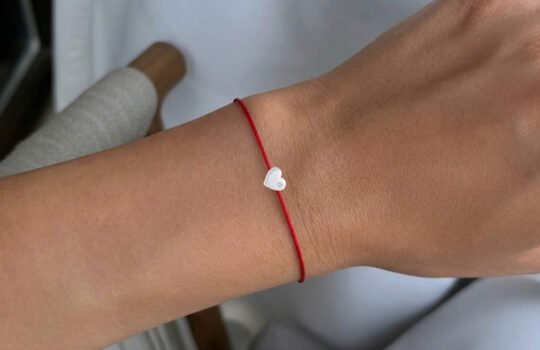
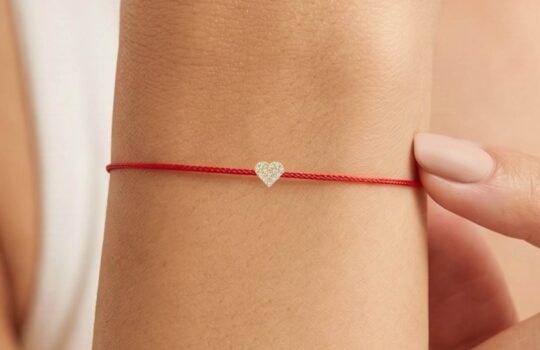
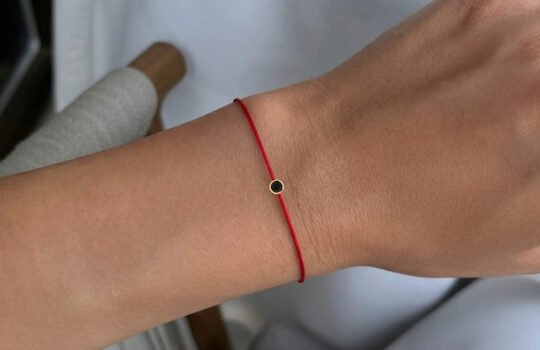
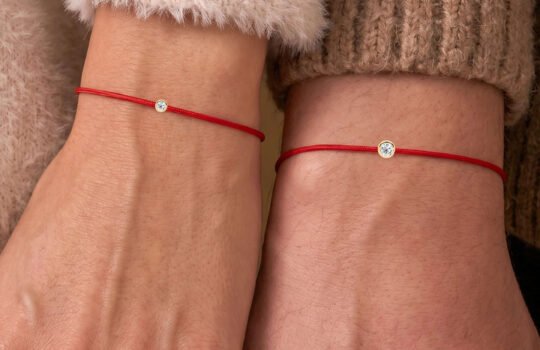
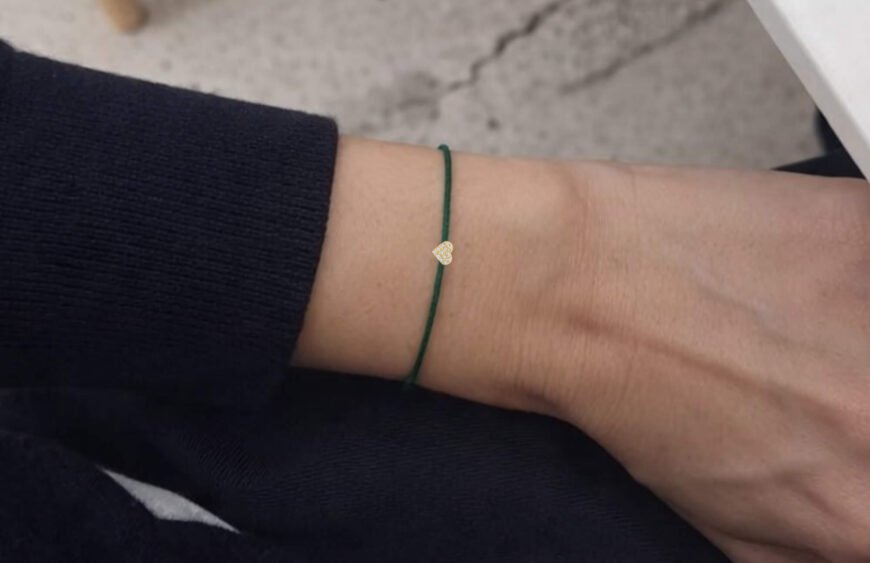
As the friendship bracelet’s history has unfolded, its materials have expanded well beyond floss and plastic beads. Today, the same symbolism can be found in more refined, long-lasting pieces — including gold and gemstone-accented string bracelets like our bracciali con diamanti neri e bracciali a cordoncino con zaffiro blu, which carry the same meaning in a more polished, everyday form. Learn more about how these hold up over time in Cosa c'è da sapere sui braccialetti con corde di diamanti.
Symbolic Charms Throughout History
Across nearly every era of the friendship bracelet’s history, symbols have played a role in reinforcing meaning beyond color and pattern alone. That tradition continues today in styles like our bracciali con diamanti a trifoglio, representing luck, and bracciali con diamanti incrociati, representing faith and protection. Browse the full range in our bracelet collection or see current bestseller.
FAQ
What is the oldest known form of a friendship bracelet?
Decorative knot-tying dates back to ancient China (481–221 BC), but the friendship bracelet specifically is most closely tied to indigenous weaving traditions from Central and South America, particularly Mayan craftsmanship.
When did friendship bracelets become popular in the United States?
Natural-fiber woven bracelets appeared in the U.S. in the 1960s alongside the counterculture movement, and the classic embroidery-floss friendship bracelet became a widespread youth trend through the 1970s and 1980s.
Did friendship bracelets ever have a political meaning?
Yes. In the 1980s, they were worn during protests related to the disappearances of Mayan people in Guatemala and were later used at U.S. political rallies by religious groups — a history that predates their modern, purely decorative reputation.
What are “kandi” bracelets, and how do they fit into this history?
“Kandi” bracelets are colorful, beaded friendship bracelets that became popular in the 1990s EDM and rave scene. They introduced beads as a material alongside the traditional embroidery floss, and remain popular at music festivals today.
Why are friendship bracelets popular again right now?
The tradition saw a major resurgence starting in 2023, largely thanks to fans trading handmade beaded bracelets at Taylor Swift’s Eras Tour, which reintroduced the custom to a new generation.
Has the meaning of friendship bracelets changed over time?
The core meaning — a symbol of loyalty and connection between two people — has stayed remarkably consistent, even as materials, patterns, and cultural context have changed dramatically over the centuries.
Final Thought
The history of friendship bracelets is far richer than a simple camp craft — it spans ancient knotting traditions, indigenous Central American weaving, political protest, counterculture fashion, and multiple generations of youth trends, all the way to today’s beaded and gemstone-accented designs. Explore how that history looks today in our full bracelet collection.
Curious how the tradition has evolved into modern jewelry? Explore our diamante nero, blue sapphire, clover, e cross string bracelets, or read more on our blog.