TL;DR:
- Cord bracelet styling involves choosing materials, weaving patterns, and layering to express personal meaning and fashion. Natural materials like waxed cord are most durable for daily wear, and stacking should be limited to three or four pieces for a clean look. These bracelets carry cultural symbolism, serving as tokens of protection, promises, and memory across diverse traditions.
Cord bracelet styling is the art of combining materials, weaving patterns, and layering techniques to create wristwear that is both fashionable and personally meaningful. The practice draws from centuries of cultural tradition, from Kabbalah red string rituals to Buddhist protection cords and Latin American friendship bracelets. Today, the European jewelry market is growing at a 9.8% CAGR, driven largely by demand for minimalist, ethically sourced cord pieces. That growth signals something real: people want accessories that carry weight beyond aesthetics. Whether you stack three bracelets on one wrist or wear a single waxed cord piece solo, every choice you make is a form of self-expression.
What are the key materials and weaving styles used in cord bracelets?
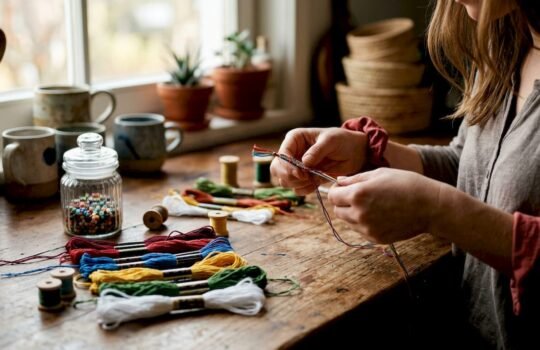
Cord bracelet materials explained simply: the cord you choose determines how your bracelet looks, feels, and lasts. Each material has a distinct personality, and pairing the right material with the right weave is the foundation of good styling.
The most common cord materials are:
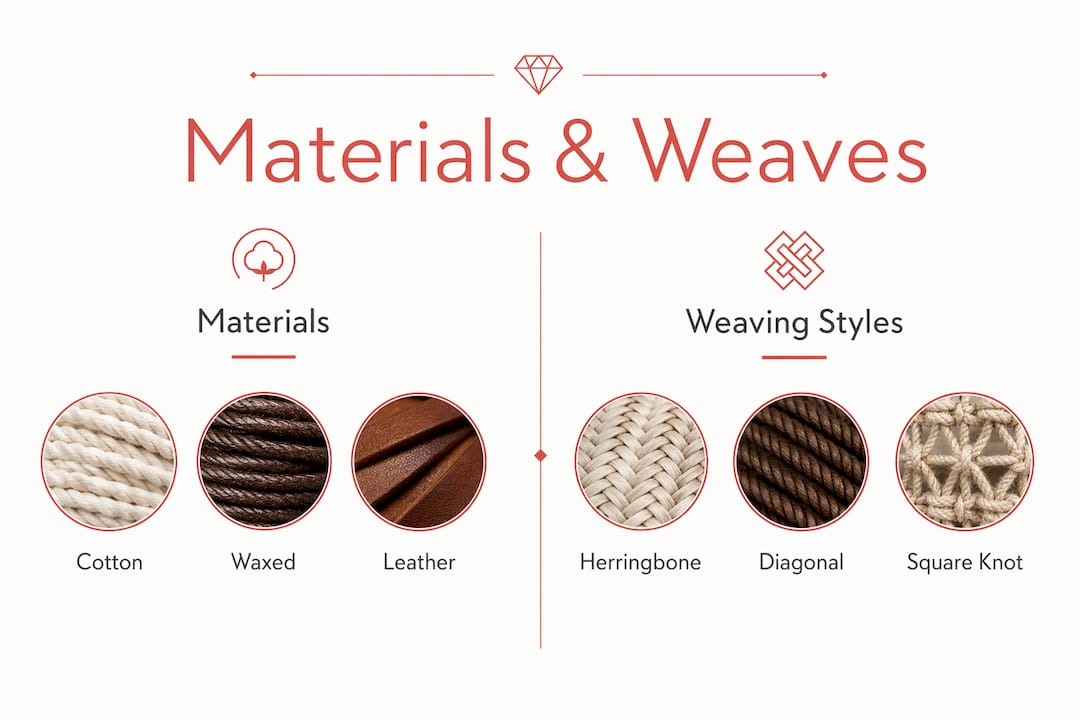
- Cotton cord: Soft, colorful, and ideal for friendship-style bracelets. Takes dye well, making it the go-to for vibrant, patterned designs.
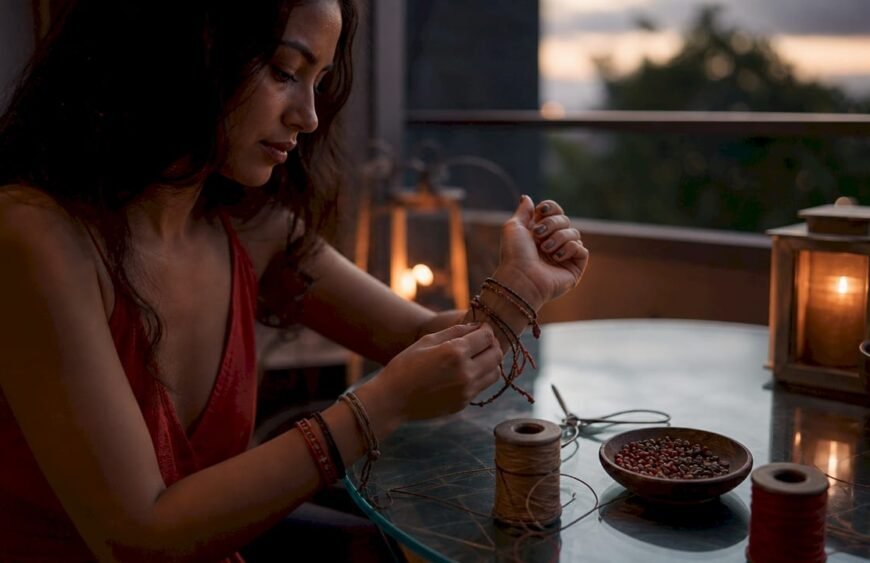
- Waxed cord: Water-resistant and firm. Holds knots tightly, which makes it the preferred choice for macramé and sliding-knot closures.
- Paracord: Originally military-grade nylon. Thick, durable, and best suited for bold, chunky stacks rather than delicate layering.
- Leather cord: Adds a raw, organic texture. Ages beautifully, developing a patina that makes each piece feel more personal over time.
- Synthetic blends: Consistent in color and texture. Less character than natural materials, but useful for precision weaving where uniformity matters.
Cord bracelet weaving styles explained: the pattern you choose changes the visual weight and texture of the finished piece. The square knot produces a flat, symmetrical braid that sits cleanly against the wrist. The herringbone weave creates a tight, V-shaped pattern with a polished, almost metallic look. Diagonal braiding adds movement and works well with two-tone cords. The king cobra stitch, a double-layered paracord technique, creates a thick, textured band suited for statement stacking. Sliding knots are not a weave but a closure method, and they are the most practical finish for adjustable sizing.
| Material | Best weaving style | Key quality |
|---|---|---|
| Cotton cord | Herringbone, diagonal | Soft, colorful, lightweight |
| Waxed cord | Square knot, sliding knot | Water-resistant, firm hold |
| Paracord | King cobra, square knot | Thick, durable, bold |
| Leather cord | Simple braid, flat weave | Ages with character, organic feel |
| Synthetic blend | Herringbone, diagonal | Consistent color, precise finish |
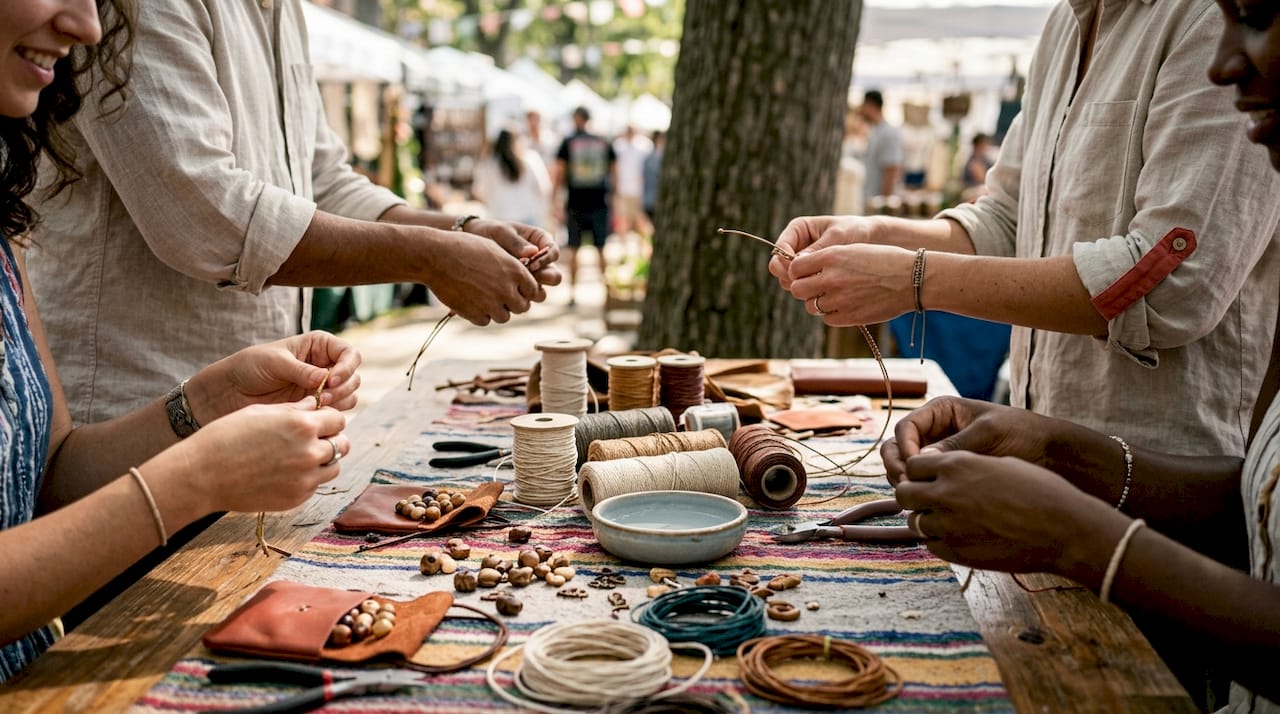
Natural materials like sandalwood, rosewood, and vegetable leather appeal strongly to buyers who prioritize sustainability. Ethical sourcing is no longer a niche preference. Consumers now treat material transparency as a baseline expectation, not a bonus feature.
Proffstips: Choose waxed cord for any bracelet you plan to wear daily. It resists moisture, holds knots without loosening, and outlasts cotton or elastic alternatives by a significant margin.
How can cord bracelets be layered with watches and metal bracelets?
Layering bracelets explained: wrist stacking is the practice of wearing multiple bracelets together to create a curated, intentional look. The watch is always the anchor. Every other piece on your wrist should relate to it in some way, whether through color, texture, or scale.
Luxury stylists recommend building your stack in three layers. Here is the order that works:
- Watch, closest to the hand. The watch face needs to stay readable and scratch-free. Nothing goes between the watch and your hand.
- Smooth cord bracelet as a buffer. A slim waxed cord or braided cotton piece sits directly above the watch. It acts as a visual transition between the structured watch and any chunkier pieces above.
- Heavier or chunkier bracelets further up the wrist. Metal cuffs, beaded pieces, or thicker paracord bands work best at the top of the stack, away from the watch.
The most common mistake in wrist stacking is placing bracelets between the watch and the hand. Expert advice is clear: bracelets go above the watch, toward the elbow, not below it. Bracelets placed under the watch tangle, scratch the case, and shift the watch face out of position.
Texture contrast is what makes a stack look intentional rather than accidental. A smooth stainless steel watch paired with a rough-braided leather cord and a fine cotton herringbone piece creates three distinct textures that complement each other without competing. Wrist stacking typically balances one watch with one to three bracelets for a clean result. Going beyond three pieces risks visual noise.
Proffstips: If you wear a gold-tone watch, pull one gold element into your cord stack, such as a gold bead or a cord threaded through a small gold ring. That single repeated metal ties the whole wrist together.
For a deeper look at pairing techniques, the guide on pairing bracelets with a watch at Jewelsbyares covers specific combinations for different watch styles and wrist sizes.
What personal and cultural meanings are associated with cord bracelets?
Cord bracelets are defined as wearable talismans across dozens of cultures, not simply as decorative accessories. Historian insights confirm that cord bracelets have long served as physical anchors for promises, protection, and memory. That dual identity, fashion object and personal symbol, is exactly what makes them so enduring.
Cultural meanings vary widely, but several themes appear consistently:
- Red cord: In Kabbalah tradition, a red string tied around the left wrist protects against the evil eye. In Buddhist practice, monks bless red cords and tie them onto followers as symbols of good fortune. In Latin American cultures, red threads are tied on newborns for protection.
- Knot symbolism: The act of tying a knot represents a bond or a promise. Many friendship bracelets are knotted by the giver and worn until they fall off naturally, at which point the wish tied into the knot is said to come true.
- Color coding: Black cords signal protection and strength in several African and South American traditions. White cords represent purity and new beginnings in East Asian ceremonies.
“Cord bracelets connect the wearer to promises, protection, and pivotal moments. They are not just accessories. They are wearable memories, carrying the weight of relationships and intentions long after the moment that created them has passed.”
Personalization deepens that meaning further. Birthstones, engraving, and symbolic materials are the top ways consumers add personal significance to cord bracelets. A bracelet made from your grandmother’s favorite color, knotted with a technique she taught you, carries a story no mass-produced piece can replicate.
Bracelets made from vegetable leather, wood, and stone age gracefully, gaining patina and texture that reflect the wearer’s life. That aging process is not wear and tear. It is storytelling through use.
For a thorough look at how cord and string bracelets carry meaning across traditions, the string bracelet symbolism guide at Jewelsbyares is worth reading in full.
What are practical styling tips and common pitfalls to avoid?
Cord bracelet durability explained: how long your bracelet lasts depends as much on how you style and maintain it as on the material itself. The same applies to how good it looks day to day.
The most useful styling principles are:
- Coordinate by tone, not exact color. A warm-toned stack uses earthy reds, oranges, and browns together. A cool-toned stack combines navy, gray, and forest green. Mixing warm and cool tones in one stack usually looks unintentional.
- Vary the width of each piece. A thin cotton herringbone, a medium waxed cord braid, and a thick leather flat weave create visual rhythm. Three bracelets of identical width look flat and repetitive.
- Choose adjustable closures. Sliding knots offer durability and sizing flexibility that elastic cords cannot match. Elastic cords account for a notable share of negative reviews due to breakage, particularly with daily wear.
- Limit your stack to three or four pieces. More than four bracelets on one wrist creates clutter. The individual pieces stop reading as a curated choice and start looking like an afterthought.
- Remove bracelets before swimming or showering. Even waxed cord weakens with repeated water exposure. Leather cords dry out and crack. Cotton absorbs moisture and loses its shape.
Maintenance is straightforward. Wipe leather cords with a dry cloth after wear. Store cotton and waxed cord bracelets flat, not coiled tightly, to prevent kinking. Avoid direct sunlight for extended periods, since UV exposure fades natural dyes faster than most people expect.
Proffstips: When building a new stack, lay all your bracelets flat on a table before putting them on. Arrange them in the order you plan to wear them, from thinnest to thickest. That visual preview saves you from realizing mid-morning that two pieces clash.
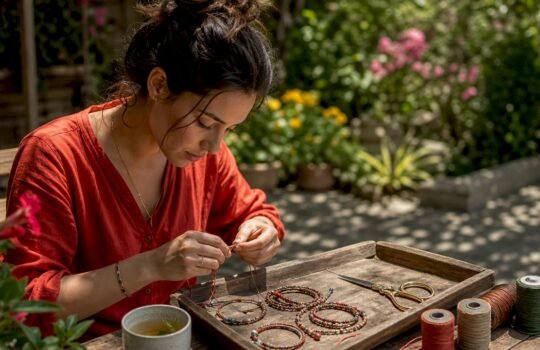
For hands-on guidance on building your own layered look, the tutorial on making stackable cord bracelets at Jewelsbyares walks through the process step by step.
Viktiga slutsatser
Cord bracelet styling works best when material choice, weave pattern, layering order, and personal meaning are treated as one connected system rather than separate decisions.
| Punkt | Detaljer |
|---|---|
| Material drives durability | Waxed cord and leather outlast elastic and synthetic blends for daily wear. |
| Weave determines visual weight | Match the weave to your stack’s scale: herringbone for slim layers, king cobra for bold statements. |
| Watch goes closest to the hand | Place all bracelets above the watch, toward the elbow, to prevent tangling and scratching. |
| Limit stacks to three or four pieces | More than four bracelets creates visual noise and loses the curated effect. |
| Meaning adds lasting value | Personalization through color, knot symbolism, or material origin makes a bracelet worth keeping. |
Why cord bracelets reward patience more than impulse
Most people approach wrist styling the same way they approach getting dressed in a hurry: grab what looks good and hope it works together. That approach produces stacks that look busy rather than intentional.
What I have found, after spending years around handcrafted jewelry, is that the best cord bracelet stacks are built slowly. You start with one piece that genuinely means something to you, whether that is a red string tied by someone you love or a waxed cord bracelet you bought on a trip that changed you. Then you add around it, one piece at a time, always asking whether the new addition earns its place.
The trend toward minimalist, meaningful wristwear is not a passing moment. Ethical sourcing and material transparency have become genuine purchase criteria for a growing share of buyers. That shift tells me people are tired of accessories that mean nothing. They want pieces with a story.
My honest advice: resist the urge to build a complete stack all at once. Buy one cord bracelet that you genuinely connect with. Wear it alone for a few weeks. Then decide what it needs beside it. That patience produces a wrist that looks like you, not like a display case.
— Danielius
Cord bracelets worth wearing every day
Jewelsbyares builds cord bracelets for people who want both quality and meaning in the same piece. The collection spans waxed cord designs, braided leather pieces, and diamantarmband med sträng that pair a certified diamond with a delicate cord setting for a look that is minimal without being plain. Each piece is made with ethically sourced materials and finished by hand, so the construction holds up to daily wear. If you are building a stack from scratch or adding one meaningful piece to what you already own, the cord bracelet options at Jewelsbyares cover a range of styles, materials, and price points worth considering.
VANLIGA FRÅGOR
What is cord bracelet styling?
Cord bracelet styling is the practice of selecting cord materials, weave patterns, and layering combinations to create a wrist look that reflects personal style and meaning. It treats each bracelet as part of a curated whole rather than a standalone accessory.
Which cord material lasts the longest?
Waxed cord is the most durable option for daily wear. It resists moisture, holds knots firmly, and does not break down as quickly as elastic or untreated cotton cord.
How many bracelets should I stack at once?
One to three bracelets alongside a watch produces the cleanest result. Going beyond four pieces on one wrist typically creates visual clutter rather than a curated look.
Where should cord bracelets sit relative to a watch?
Cord bracelets should always sit above the watch, toward the elbow. Placing bracelets between the watch and the hand causes tangling, scratches the watch case, and shifts the face out of position.
Do cord bracelets carry cultural meaning?
Cord bracelets carry documented cultural significance across multiple traditions, including Kabbalah red string protection, Buddhist blessing cords, and Latin American friendship bracelets tied with wishes. The meaning varies by color, knot style, and the tradition behind the piece.