

TL;DR:
- String bracelets represent protection, love, and intention through cultural traditions and meaningful color choices. Giving a bracelet often signifies mutual support and can mark significant life moments, with ritual and color enhancing its symbolic value. These meaningful accessories serve as wearable symbols of care, connecting people across distances and life transitions.
A string bracelet is defined as a wearable symbol of protection, love, or intention, making it one of the most personally resonant gifts you can give. The string bracelet gift meaning runs deeper than aesthetics. These small, handcrafted pieces carry centuries of cultural weight, from Kabbalistic red strings worn on the left wrist to Balkan spring traditions recognized by UNESCO. Whether you are choosing a bracelet for a close friend, a partner, or yourself, understanding what these pieces actually mean transforms a simple accessory into a genuine act of care.
What does string bracelet gift meaning really convey?
String bracelets are wearable symbols that convey protection, love, and intention across cultures and generations. The term “friendship bracelet” is the most widely recognized label in American culture, but the broader category includes protective talismans, spiritual amulets, and ceremonial tokens. Each of these carries a distinct meaning depending on its color, material, and the ritual surrounding its giving.

Gifting a string bracelet creates a relational anchor between two people. It represents mutual commitment, support, and shared intention. The bracelet does not just sit on a wrist. It functions as a daily, tactile reminder that someone cares about your well-being.
The intent behind the gift matters more than the price tag or the design trend. A red string tied with a specific wish carries more emotional weight than an expensive piece given without thought. That is the core principle behind meaningful bracelet gifting: the meaning you attach to it is what makes it powerful.
What do the colors of string bracelets mean?
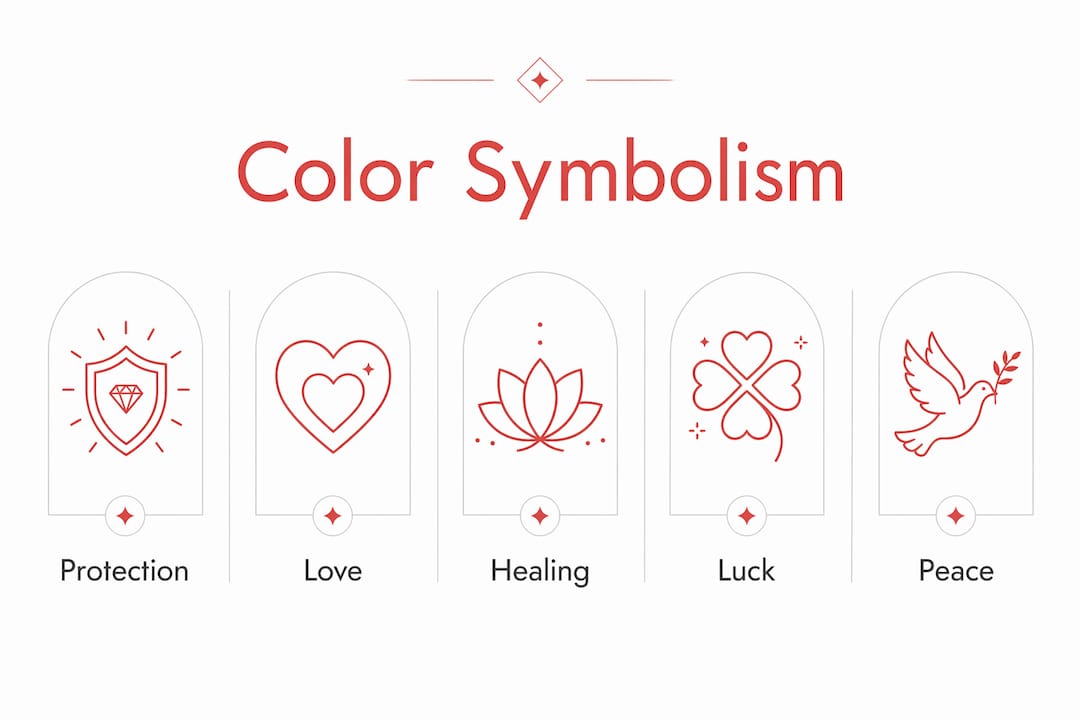
Color meanings in string bracelets extend well beyond aesthetics. Each color expresses a specific intention, and choosing the right one is the first real decision in thoughtful gifting.
Here is what the most common colors signify:
- Red: Protection, vitality, and love. Red is the most universally recognized protective color across Kabbalah, Hinduism, and Balkan traditions.
- White: Purity, new beginnings, and peace. White strings are often given at life transitions such as births, weddings, or fresh starts.
- Black: Strength and resilience. Black bracelets are given to people facing adversity or major personal challenges.
- Blue: Tranquility and calm. Blue is a strong choice for someone managing anxiety, grief, or high stress.
- Green: Growth, abundance, and health. Green suits gifts tied to career milestones or recovery.
- Yellow: Joy, optimism, and friendship. Yellow bracelets work well as lighthearted tokens of affection.
- Purple: Spirituality and wisdom. Purple is appropriate for gifts tied to personal growth or spiritual practice.
Layering multiple string bracelets compounds these meanings. A red and white combination, for example, signals both protection and new beginnings simultaneously. Experts emphasize purpose-driven combinations rather than purely aesthetic stacking, because the layered intention is what gives the piece its depth.
Pro Tip: Before selecting a color, think about what the recipient is going through right now, not just what they like. A blue bracelet for someone overwhelmed at work speaks louder than a trendy color that holds no personal relevance.
How do cultural traditions shape the symbolism of friendship bracelets?
String bracelets carry layered meaning precisely because they emerge from living cultural traditions, not marketing. Three traditions in particular define how these pieces are understood worldwide.
| Tradition | Origin | Color | Core Meaning | Key Ritual |
|---|---|---|---|---|
| Kabbalah red string | Jewish mysticism | Red | Protection from envy and harm | Worn on the left wrist, the body’s receiving side |
| Martenitsa / Mărțișor | Balkan cultures | Red and white | Health, vitality, and new beginnings | Worn from March 1st until the first signs of spring |
| Kalava | Hindu tradition | Red or yellow | Blessings and spiritual protection | Tied during ceremonies by a priest or elder |
The Kabbalistic red string is worn specifically on the left wrist. The left wrist is the body’s receiving side, considered most vulnerable to negative energies. This placement is not decorative. It is a deliberate protective act rooted in ancient belief.
The Balkan Martenitsa tradition is among the most structured. Red and white strings are exchanged on March 1st as wishes for health and prosperity. The red symbolizes vitality; the white symbolizes purity and new beginnings. This tradition is UNESCO-listed, which confirms its status as living cultural heritage rather than a folk curiosity.
What happens when the bracelet has served its purpose is equally meaningful. In Balkan custom, the bracelet is tied to a blooming tree when the first signs of spring appear. This act returns the accumulated blessings to nature and marks a seasonal and spiritual transition. Wearing the bracelet beyond this point goes against the original intent of the ritual.
Red string bracelets are universally recognized as protective talismans across Jewish Kabbalah, Hinduism, and Balkan customs. That cross-cultural consistency is rare in symbolic objects. It tells you something real about the human instinct to mark protection with a simple, visible thread.
Pro Tip: When gifting a bracelet rooted in a specific tradition, share a brief note explaining its origin. That context transforms the gift from a pretty accessory into a meaningful cultural gesture.
What makes string bracelets meaningful gifts for personal connections?
String bracelets function as wearable wishes, not just accessories. They bridge distance and reinforce bonds by giving both the giver and the receiver a shared, physical reference point for their relationship.
The occasions where this symbolism lands hardest include:
- Milestone moments: Graduations, new jobs, or moves to a new city. A green bracelet for growth or a white one for new beginnings fits these transitions precisely.
- Grief and recovery: A black bracelet for strength or a blue one for calm offers quiet, ongoing support without requiring words.
- Friendship and loyalty: The classic friendship bracelet tradition, where both people wear matching pieces, remains one of the most direct expressions of mutual commitment.
- Spiritual protection: A red string given with the explicit intention of protection carries the weight of thousands of years of tradition behind it.
- Romantic love: Red or pink bracelets given between partners express affection in a form that is worn daily, not stored in a drawer.
The act of gifting itself matters. Meaningful gifting requires focus on the recipient’s life needs and current intentions rather than fashion trends. A bracelet chosen for its symbolic fit with someone’s actual life situation carries far more weight than one chosen because it is popular.
Communicating the meaning alongside the gift deepens its impact. A short handwritten note explaining why you chose that specific color or tradition turns the moment of giving into a shared ritual. That is what separates a sentimental bracelet gift from a generic one.
How to choose the right string bracelet as a meaningful gift
Choosing well requires a few deliberate steps. Follow this process to select a bracelet that genuinely resonates.
- Identify what the recipient needs most right now. Are they starting something new, recovering from difficulty, or celebrating a milestone? Let their current life chapter guide the color choice.
- Match the color to the intention. Use the color guide above as your reference. Red for protection, blue for calm, green for growth, white for new beginnings.
- Consider the wrist placement. For protective bracelets, the left wrist is the traditional choice across Kabbalistic and Hindu customs. Mention this to the recipient so they wear it with intention.
- Add a personal ritual to the giving. Knotting the bracelet with a specific wish while tying it amplifies its intended meaning. This is a practice found across multiple traditions and takes less than a minute.
- Think about layering. If the recipient already wears bracelets, choose a piece that complements their existing stack while adding a new intention. Combining protection and abundance in a two-bracelet set, for example, creates a richer symbolic gift.
- Choose quality materials. A bracelet that frays or fades within weeks loses its symbolic potency. Look for waxed cord, premium thread, or pieces with durable finishing that hold up to daily wear.
Avoid the most common gifting mistake: choosing based on appearance alone. A beautiful bracelet with no intentional color or symbolic fit is a decoration. A thoughtfully chosen one is a gift with personal meaning that the recipient will feel every time they glance at their wrist.
Key takeaways
String bracelets are among the most symbolically loaded gifts you can give, because their meaning is encoded in color, cultural tradition, and the intention of the giver.
| Point | Details |
|---|---|
| Color carries the message | Each color encodes a specific intention: red for protection, blue for calm, white for new beginnings. |
| Cultural traditions add depth | Kabbalah, Balkan Martenitsa, and Hindu Kalava practices give red and white strings centuries of protective meaning. |
| Left wrist placement matters | Wearing a protective bracelet on the left wrist follows traditional practice across multiple cultures. |
| Intent outweighs aesthetics | Choosing a color aligned with the recipient’s current life needs makes the gift genuinely meaningful. |
| Rituals amplify the gift | Tying the bracelet with a spoken wish and sharing a note about its meaning transforms it from accessory to talisman. |
Why I think string bracelets are the most underestimated gift category
People spend enormous energy searching for gifts that feel personal. They overthink price points and packaging. Then they hand over something the recipient will forget in a week. String bracelets solve this problem in a way that almost nothing else does.
I have seen a red string bracelet hold more emotional significance for someone than a piece of fine jewelry worth hundreds of dollars. The reason is simple: the red string came with a story, a tradition, and a clear message of protection. The fine jewelry did not. That gap between object and meaning is where string bracelets win every time.
The detail most people miss is the removal ritual. When a red string breaks, tradition holds that it has absorbed enough negative energy to fulfill its purpose. That is not a flaw. It is the bracelet completing its job. Knowing this changes how you receive the gift and how you replace it. It turns a broken accessory into a sign that the protection worked.
String bracelets also work across distances in a way that few gifts do. When two people wear matching pieces, the physical object keeps the connection present even when the relationship is separated by geography. That is not sentiment for its own sake. It is a practical function that symbolic jewelry has served across cultures for centuries.
My honest advice: stop treating string bracelets as casual or inexpensive. Treat them as what they actually are. They are one of the oldest and most direct ways humans have ever expressed care for another person.
— Danielius
Jewelsbyares string bracelets: gifts built on real symbolism
Jewelsbyares designs every bracelet around the symbolic traditions covered in this article. The string bracelet collection includes red string bracelets rooted in Kabbalistic and cross-cultural protective traditions, thread bracelets in a full range of intentional colors, and diamond string bracelets for those who want to combine symbolic meaning with understated luxury. Each piece ships in gift-ready packaging, so the presentation matches the intention. If you are looking for a sentimental bracelet gift that carries genuine cultural weight, Jewelsbyares offers pieces designed to be worn with purpose, not just style.
FAQ
What does a string bracelet mean as a gift?
A string bracelet given as a gift symbolizes protection, love, loyalty, or a specific wish for the recipient’s well-being. The exact meaning depends on the color and the cultural tradition it draws from.
What color string bracelet means protection?
Red is the most universally recognized color for protection across Kabbalistic, Hindu, and Balkan traditions. It is worn on the left wrist to guard against negative energy and envy.
What happens when a string bracelet breaks?
A broken red string bracelet traditionally signals that it has absorbed enough negative energy to fulfill its protective purpose. The custom is to replace it rather than treat the breaking as a bad sign.
Which wrist should a string bracelet be worn on?
The left wrist is the traditional choice for protective string bracelets across Kabbalistic and Hindu customs, based on the belief that the left side is the body’s receiving side and most in need of protection.
Can you layer multiple string bracelets for a gift?
Yes. Layering bracelets with different colors combines their symbolic meanings, such as pairing red for protection with green for growth or white for new beginnings, creating a richer and more personalized gift.